Ask your distributor for current extended production schedule.
When you are outfitting an entire district, a YMCA program, or a city recreation department, ordering uniforms is not a simple add-to-cart job. It is a moving target with registration numbers changing weekly, age divisions needing clear visual separation, and coaches asking for answers before the final roster is even settled. That is exactly why so many institutional buyers search for youth flag football gear bulk options that can handle scale without creating chaos.
For large youth flag football programs, the real challenge is not just buying jerseys and shorts. It is building a repeatable system for design approval, sizing collection, inventory planning, late-player additions, and league-wide consistency. Full Gorilla is built for that kind of pressure. With guaranteed production timelines, no-minimum replacements after the initial order, and a strong reputation for custom sports apparel that performs under real-world conditions, the company fits the needs of organizations that cannot afford uniform mistakes when the first game is already on the calendar.
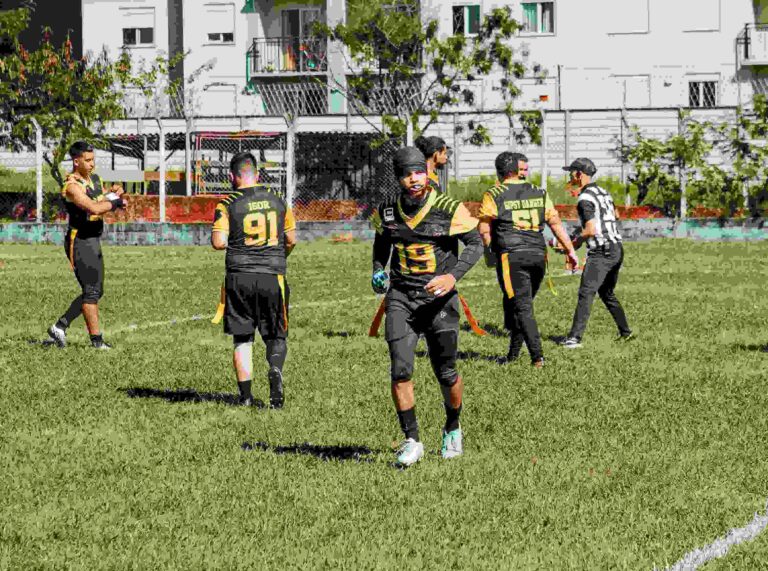
A small team order can survive a few bumps. A large flag football league cannot. When hundreds of players are spread across multiple schools or park sites, even one sizing error or one design mismatch can ripple through the whole season like a bad snap on fourth down. Suddenly one division has navy shorts, another has royal blue, and the kindergarten group is wearing a logo revision that was never supposed to go into production.
That is why institutional buyers need more than apparel. They need a vendor with a process. In bulk flag football ordering, the most common points of error are predictable: incomplete registration data, inconsistent number assignment, late approvals, and poor version control on artwork. A dependable supplier should not just accept the purchase order and disappear. They should help prevent the kind of error that creates parent complaints, coach frustration, and emergency spending.
For municipal leagues and school districts, consistency matters almost as much as price. Every team should look connected to the same league identity, even if colors, age groups, and sponsor placements vary. A program with strong design control looks more official, more organized, and more credible to families during registration.
A practical bulk package for flag football usually starts with the uniform core: jersey, shorts, and flag belts. Depending on the age level and structure of the league, socks may also be included to create a cleaner presentation across all divisions. For some programs, coaches also request warm-up tops, staff polos, or sideline bags, but the base set should always be built around what players actually need for game day.
The strongest league orders define what is included before registration opens. That means parents know whether belts, flags, shorts, and socks are part of the registration fee, and coordinators know what they are required to collect in terms of size and player naming information. If your league uses an nfl flag model or follows a similar recreational structure, standardization becomes even more important because families expect a polished, official look across the board.
For larger programs, it also helps to separate mandatory items from optional add-ons. The uniform set may be required, while fanwear or extra shorts remain a separate purchase option. That keeps the procurement process cleaner and helps avoid cart confusion when multiple administrators are involved in the final purchase.
If your organization is still building its system, Full Gorilla’s guide on how to outfit a league from the start is a useful companion for planning a smoother rollout.
Sizing is where bulk orders are won or lost. In youth flag football, you are dealing with fast-growing kids, inconsistent parent estimates, and registration forms that are often completed on a phone while someone is half-paying attention in the pickup line. If you rely only on guesswork, you will pay for it later in replacement requests.
The best approach is to create a simple size collection system tied directly to registration. Ask for jersey size and shorts size separately. Do not assume they match. Include a note that uniforms are custom and cannot be treated like generic stock apparel from a sporting goods shelf. If possible, host one or two in-person sizing events for larger leagues. Even a two-hour fitting window can reduce error dramatically for divisions with the highest player volume.
Another smart move is to order a controlled overrun in your most common youth sizes. For many leagues, that means holding a small reserve of core sizes for late registration and emergency swaps. This does not mean overbuying blindly. It means using prior season data to find the likely pressure points. If your registration history shows a surge in youth medium and youth large every fall, build that into the purchase plan.
League coordinators should also divide sizing review by division before final approval. A kindergarten-to-2nd-grade division may have totally different fit patterns than a middle school league. Looking at all players in one spreadsheet can hide obvious sizing issues. Looking at them by age group makes the error easier to spot before production starts.
For large organizations, design consistency is not a cosmetic detail. It is an operational safeguard. Once multiple divisions are involved, tiny changes can snowball. A different font for names, a slightly shifted logo, or a color swap between one age group and another can make the whole league look patched together.
A strong custom vendor should lock in a master design system before production begins. That means one approved logo package, one color standard, one number style, and one placement template for every team in the program. Division colors can still vary, but the structure should stay consistent. Think of it like building a school district sign system. Different campuses may have their own identity, but the architecture still tells you they belong together.
This is especially important for leagues modeled after nfl flag presentation standards, where the expectation is clean, coordinated branding and a professional appearance. Full Gorilla’s custom approach gives buyers more control than stock uniforms because the design can be built once and then applied carefully across all age levels. That is a major benefit when your program needs to look unified from the youngest kids learning to pull flags to the oldest players already reading the field like mini quarterbacks.
If design decisions are still being debated internally, it can help to review broader guidance on what makes a uniform work in real competition. That kind of planning reduces revisions later in the process.
Every large youth sports administrator knows the same truth: the roster you approve today will not be the roster you have by opening day. A family moves into the district. A child misses the first registration deadline. A coach realizes two siblings were entered under the wrong division. Late changes are not an exception in flag football. They are part of the operating environment.
That is why reorder flexibility matters so much in a bulk program. If a vendor requires another large minimum purchase just to outfit three late registrants, the league either overspends or leaves players mismatched. Full Gorilla’s no-minimum replacements after the initial order are a real advantage here. It gives coordinators a cleaner process for adding jerseys, shorts, belts, or other required equipment without rebuilding the entire order.
Administrators should establish a late-add workflow before the first purchase is submitted. Set a final registration date for guaranteed inclusion in the main production run. Then create a second internal process for post-deadline additions. Assign one contact person to collect names, sizes, numbers, and payment approval for those players. Without one point of contact, the odds of error rise fast.
A good reorder workflow should also preserve the original design file and production notes. That way, the replacement order matches the first set exactly. No drift in color, no changed trim, no accidental logo update. For large leagues, design consistency in reorders is just as important as getting the first delivery right.
Large league buyers are rightly focused on pricing, but the lowest line-item number is not always the best value. In bulk flag football procurement, the real question is what the purchase includes and what hidden friction it avoids later. A cheaper unit cost means less if you get slower delivery, inconsistent design execution, or expensive reorder requirements.
Volume discount pricing usually works best when leagues organize players into clear brackets before requesting a quote. For example, a program ordering for 150 players may land in a different pricing structure than one ordering for 400 or 800. The exact numbers depend on the vendor and the set configuration, but institutional buyers should always ask how pricing changes at higher volume levels and whether the quote includes artwork, numbering, shorts, belts, and any official league marks.
This is also the time to ask practical questions. Are flags included in the set or priced separately? Are socks optional? Is there a cost difference if some divisions use reversible tops? What happens if registration grows after the first purchase order is approved? These details matter because they affect budget forecasting across the full season, not just the first invoice.
The best commercial vendors make this easier by building quotes around program needs rather than forcing leagues into rigid stock packages. That is a major difference between buying for one team and buying for a district. A municipal buyer needs a procurement partner who understands field equipment, player distribution, budget controls, and the reality that every program has its own approval chain.
In youth sports, delays do not stay in the back office. They show up under the lights. If uniforms miss opening week, players notice. Parents notice. Coaches notice. And administrators end up spending valuable time managing frustration instead of running the league.
That is why production guarantees matter. Full Gorilla’s guaranteed 21- to 28-day production window is especially valuable for leagues with hard start dates. It gives buyers a more reliable planning window for registration, roster lock, and delivery scheduling. When you are coordinating multiple divisions across a district, that kind of predictability is not a luxury. It is part of risk management.
Reliable delivery also helps leagues plan photography, sponsor announcements, and coach distribution days. The more organized the handoff, the more official the program feels to families. In a crowded youth sports market, those details have real benefits for retention and future registration.
For programs comparing apparel vendors across sports, it may also help to review Full Gorilla’s broader custom uniform options for team programs. That gives decision-makers a better sense of the company’s scale and consistency across categories.
A productive consultation starts with clean information. Before reaching out, league coordinators should prepare estimated player counts by division, preferred delivery date, uniform set details, and any official branding requirements. If your league follows nfl or nfl flag visual standards, say that early. If your park board needs sponsor logos included, note where they should appear. If middle school teams need a slightly different design than elementary divisions, identify that before artwork begins.
You should also be ready to discuss your registration schedule and internal approval process. A vendor can move fast, but only if the buyer knows who signs off on design, who confirms numbers, and who approves the final purchase. Most bulk-order slowdowns happen on the client side, not the production side.
The consultation should cover more than aesthetics. Ask about reorder timelines, replacement process, proof approval steps, and how the vendor handles changes after the roster shifts. The right partner will be ready for those questions because they have worked with organizations where one late adjustment can affect dozens of kids and multiple game schedules.
Large youth flag football orders do not need to feel like a pileup at midfield. With the right process, the right sizing strategy, and the right vendor, leagues can move from registration to delivery with far less friction. The key is choosing a supplier that understands institutional complexity, not just apparel decoration.
Full Gorilla is well positioned for that role. The company’s custom design capabilities, production guarantee, replacement flexibility, and commitment to quality make it a strong fit for YMCAs, park districts, school systems, and other high-volume buyers who need absolute consistency across large player groups.
If you are planning a district-wide rollout or preparing to outfit hundreds of players for the next flag football season, skip the generic product pages and start with a league-level conversation. Use Full Gorilla’s consultation pathway through their contact page to discuss player counts, design standards, reorders, and bulk pricing built around your program’s needs.