
Ask your distributor for current extended production schedule.
When coaches search for 7v7 uniform packages, they usually are not asking whether custom gear is worth it. They are trying to make a practical call: do we order just the jersey, or do we build out a full kit with shorts, compression pieces, and maybe a reversible setup for tournament weekends?
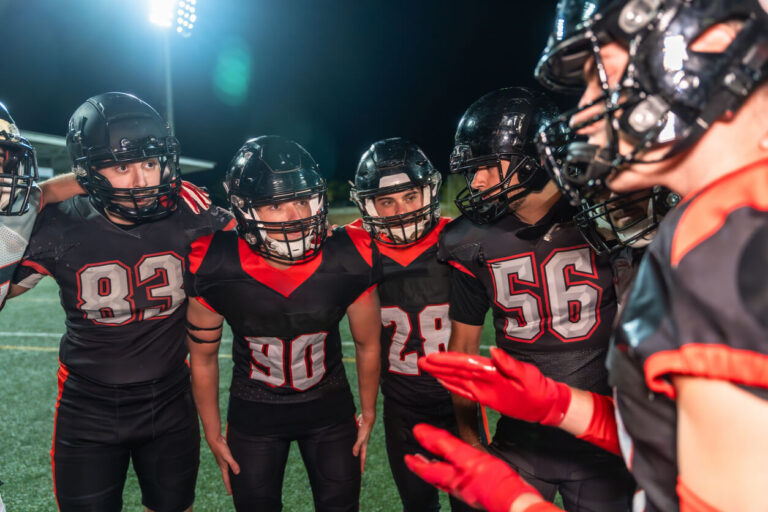
That decision matters more than it looks on paper. The wrong package can leave a team overspending on pieces players will not wear, or under-ordering and scrambling when athletes show up in mismatched shorts, random socks, and faded practice gear that makes the roster look thrown together. In 7-on-7, where speed, repetition, and exposure matter, presentation still counts. Players want to look sharp, coaches want consistency, and clubs want a package that fits the budget without creating headaches later.
The good news is that there is no one-size-fits-all answer. The best package depends on your roster size, age group, event schedule, and whether you are outfitting one squad or an entire club. Some teams need a clean jersey-only setup that keeps the price down. Others need a complete package that creates a polished identity from warm-up to final whistle.
If you want to compare current options, start with Full Gorilla’s 7-on-7 uniform lineup.
Most 7v7 packages start with the core piece: the jersey. That may sound obvious, but the jersey is where nearly every major decision lives. Cut, sleeve style, collar shape, sublimation layout, player numbers, names, team colors, and sponsor logos all get resolved there first. For many youth and adult programs, the jersey does the heavy lifting because it carries the visual identity of the team.
From there, packages usually expand in tiers. A basic tier might include one custom jersey only. A mid-tier package may add matching shorts. A premium option often includes the full look: jersey, shorts, compression shirt or tights, and accessories like socks or arm sleeves. Some football uniforms for 7v7 also include reversible construction, which is especially useful when teams need a home and away look without ordering two separate tops.
What separates a smart package from a padded one is not the number of items. It is whether each piece solves a real need. If your players already have approved black shorts and matching compression gear, adding more pieces may only raise the price without improving game-day function. But if your roster is a mix of returning players and new additions, a more complete package can save time and keep everyone visually aligned.
This is also where custom jerseys become more valuable than stock options. With custom work, you are not limited to a template that almost fits your brand. You can lock in exact colors, place logos where they belong, choose sleeves that suit the age group, and build a design that looks intentional instead of borrowed. In 7v7, where clubs often play in front of recruiters, parents, and future players, that difference is not cosmetic fluff. It is part of how your program presents itself.
Another thing coaches should watch is what the package includes on the back end. Are names included? Are numbers extra? Is sublimation standard, or does the price jump once you add more design detail? Does the order include youth and adult sizes in the same run? A package can look inexpensive at first glance and then balloon once the practical details get added back in.
A jersey-only package makes perfect sense for more teams than people admit. There is a tendency in sports apparel to assume that “full package” automatically means “better package.” Not true. Sometimes the smartest move is to keep the order lean.
This is especially true for youth teams, developmental squads, and first-year clubs still figuring out roster stability. If you are coaching 12- to 14-year-olds and half the lineup may change by next season, ordering only the jersey can protect your budget while still giving players a real team identity. It also makes replacement orders easier later, which matters when a player joins late or a family suddenly needs a different size.
Jersey-only orders also work well when teams already have standardized bottoms. Maybe your club requires all-black shorts across every age level. Maybe your athletes already own approved compression gear and socks. In that case, buying a custom jersey with coordinated colors, names, and numbers gives you the branded look you want without paying twice for accessories players already have in their bag.
There is also a travel angle here. Some teams play a lighter 7v7 schedule with only a handful of events. If you are not living on the tournament circuit every weekend, a jersey-only order may be enough to cover your actual use case. You still get a polished appearance, but you avoid stacking extra price into pieces that will spend most of their life folded in a drawer.
Another reason coaches choose this route is speed and simplicity. A smaller order is easier to finalize because there are fewer size variables, fewer style debates, and fewer moving parts. If your staff needs a process overview before finalizing artwork, roster details, and production timing, this walkthrough on what coaches should know before ordering custom 7v7 gear is a useful next step.
That said, jersey-only only works when the rest of the look is controlled. If one player shows up in long white basketball shorts, another in compression tights with neon trim, and another in faded mesh practice bottoms, the team starts to look like pickup ball. A jersey can anchor the identity, but it cannot completely rescue visual chaos. Coaches choosing this package should still set clear rules for shorts, socks, sleeves, and colors.
A full kit starts to make sense when consistency matters as much as cost. For competitive clubs, national travel teams, and programs trying to build a premium image, the jump from jersey-only to full-kit is often worth it. It creates a complete look, but more importantly, it removes guesswork.
The most common full-kit upgrade is adding matching shorts. That one change does a lot. It ties the design together, keeps colors consistent across the roster, and prevents the field from looking patchwork. In 7v7, where movement is constant and photos from tournaments circulate everywhere, matching shorts make the uniform look finished rather than halfway assembled.
Compression pieces are the next level up. Some teams add long-sleeve compression tops under the jersey. Others add tights or compression shorts for support and coverage. These pieces are not mandatory for every roster, but they can be useful for early-morning events, cooler weather, or clubs that want a more polished, high-performance look. If your players regularly wear underlayers anyway, it often makes more sense to coordinate them as part of the package rather than let everyone improvise.
Then there is the reversible option, which can be a real game changer for tournament-heavy programs. Reversible football uniforms for 7v7 let teams switch between looks without packing multiple separate jerseys. That can help with schedule changes, color conflicts, and multi-game days when organizers need fast visual distinction. It also gives clubs more flexibility if they want one side to carry the primary design and the other to serve as a cleaner alternate.
Sublimation is a major factor in full-kit quality. Because sublimation dyes the design into the fabric rather than laying it on top, it allows more creativity with colors, gradients, patterns, and logos while holding up to repeated washing and wear. That matters when you are outfitting not just the jersey but shorts, sleeves, and other accessories too. If you want a deeper explanation of durability and print quality, this guide to sports uniform materials and construction choices helps clarify what affects long-term wear.
Full kits also tend to work better for programs with strong branding. If your team name, logos, sponsor logos, and color system are central to your identity, a complete package gives those elements room to breathe. The design can flow from the jersey to the shorts, repeat key colors in the socks, and use sleeves or compression accents to sharpen the overall style. Done right, it does not look busy. It looks deliberate.
The biggest caution with full kits is sizing discipline. The more pieces you add, the more room there is for mistakes. Youth and adult sizes may fit very differently across tops, shorts, and compression items. Coaches should collect accurate sizes, confirm preferred fits, and avoid guessing based on what players wore in another brand. A sharp design loses its edge fast when the shorts run too long, the jersey fits like a tent, or the sleeves are too tight for the athlete actually wearing them.
If you run a club with multiple age groups, package decisions get more strategic. You are not just choosing what one team wears. You are deciding how to scale a system across youth, high school, and adult rosters without creating confusion or blowing up the budget.
One common mistake is treating every squad the same. A 10U developmental team does not always need the same package as a top-tier high school travel roster. Younger players may be best served by a jersey-only or jersey-plus-shorts setup that keeps the price manageable for families. Older showcase teams, by contrast, may benefit from full football uniforms that include matching shorts, compression pieces, and reversible options for tournament efficiency.
A tiered approach usually works best. For example, a club might choose one consistent jersey design across all levels, then vary the package by team needs. Entry-level youth groups get the jersey and shorts. Mid-level teams get jersey, shorts, and socks. Elite travel rosters get the full kit with sleeves, compression gear, and a reversible jersey option. That structure protects the brand while keeping price aligned with use.
This approach also helps with reorders and growth. When your base design stays consistent, adding players later becomes easier. You are not reinventing the page every season. You are building from a stable system. That matters for clubs managing multiple coaches, shifting roster counts, and families coming in at different points of the year.
Another factor is how visible each team is. If one squad plays mostly local events and another travels to major showcases, the return on a premium package is different. The more often a team is photographed, promoted, and seen by recruits or partner organizations, the more value there is in a complete and coordinated uniform package. Apparel becomes part of the club’s front door.
Budget planning matters too. Coaches and directors should compare package tiers by total value, not just by starting price. A lower price can be misleading if it excludes names, numbers, logos, or shipping. A higher package may be the better buy if it includes all the pieces your players would otherwise purchase separately. For a broader budgeting framework, this breakdown of what teams can expect with bulk uniform pricing can help clubs evaluate options more clearly.
Finally, think about longevity. Clubs with a strong identity often benefit from investing in a package structure they can repeat for years. That does not mean overbuying. It means choosing a design and package model that can grow with the program, support replacements, and keep every team looking connected. The best clubs do not look assembled at the last minute. They look like they have a plan.
The real choice between jersey-only and full-kit options is not about what looks most impressive on a quote sheet. It is about what serves your players, your coaches, and your season. A jersey-only package can be the right call for youth programs, budget-conscious teams, and clubs with existing bottoms and accessories already in place. A full kit can be the better fit for travel programs, branded clubs, and teams that need complete consistency across every game day detail.
Either way, the strongest 7v7 uniform packages are built around real use, not wishful thinking. Start with how often you play, how many teams you manage, what your athletes already own, and how polished you want the final look to be. Then choose the package tier that supports that reality.
If you are ready to compare options and build a setup that fits your roster, your style, and your budget, Get a Package Quote.