
Ask your distributor for current extended production schedule.
When a team is choosing new gear, color and design usually get all the attention first. But the real difference between a jersey that looks good in a mockup and one players actually want to wear all season comes down to fabric. The best materials for sports jerseys and uniforms need to do more than hold a logo and survive a few games. They need to manage moisture, stay breathable under pressure, move with the body, and keep their shape through frequent washing, travel, practice, and game-day wear.
That matters whether you are ordering youth team uniforms, high school basketball uniforms, football sets, warm-ups, or fully custom uniforms for a competitive club program. A sharp design can turn heads, but the right material is what helps athletes stay comfortable during intense physical activity. It plays a crucial role in sweat management, durability, and overall fabric performance.
At Full-Gorilla Apparel, performance and value go hand in hand. For coaches, athletic directors, and program leaders, understanding the right fabric for sports uniforms helps you make a smarter investment—especially when you want gear that is durable, lightweight, breathable, and built for long lasting use.
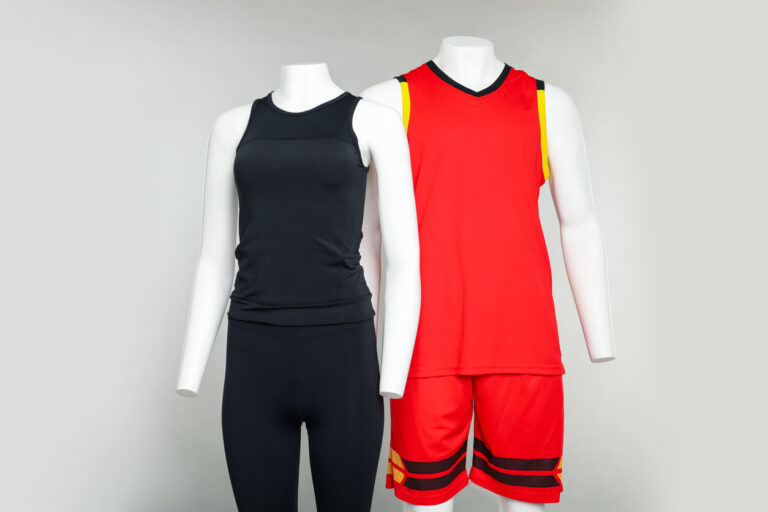
Every sport puts different demands on a uniform. A basketball jersey has to stay light and breathable through constant motion. A football uniform has to handle friction, contact, and wear and tear. Gear for outdoor sports may also need uv protection, better airflow, and fabric that can help reflect heat in hot conditions.
That is why the best fabric is not always the same across every team or season. The right material depends on how the uniform will be used, how often it will be washed, and what level of contact, stretching, and exposure it will face. For teams playing long hours in the sun or training several times a week, fabric choice is not a minor detail. It affects comfort, confidence, and how well the uniform can withstand frequent washing.
The best materials for sports jerseys and uniforms share a few common traits. They need to wick sweat away from the skin, allow moisture to evaporate quickly, and support unrestricted movement. They also need enough durability to handle frequent wear without losing color, fit, or their original shape.
In practical terms, that means looking for fabric with strong moisture management, excellent breathability, and enough structure to survive repeated washing. Teams also benefit from materials that feel lighter on the body, dry fast between drills, and stay cool during sports activities in warm gyms or under direct sunlight.
If there is one material that dominates modern sports uniforms, it is polyester. There is a reason for that. Polyester is lightweight, durable, and highly effective at moisture wicking. It does not absorb sweat the way cotton does, which helps moisture move away from the body and evaporate quickly instead of sitting heavy against the skin.
For many sports uniforms, polyester is the best fabric because it balances comfort, performance, and durability. It dries quickly, resists shrinking, holds color well, and can withstand frequent washing. That makes it an excellent choice for schools, youth leagues, travel teams, and organizations that need custom uniforms to look sharp over a full season and beyond.
Polyester also works especially well with sublimation printing. Because the dye bonds into the fabric rather than sitting on top of it, sublimated uniforms can keep bold colors and detailed graphics without cracking, peeling, or fading the way some other decoration methods can over time.
During intense physical activity, athletes generate heat fast. A heavy or absorbent uniform can feel like a wet towel by the second half. Polyester helps prevent overheating because it supports moisture management and dries quickly. Instead of trapping sweat, it helps wick sweat away from the skin so players feel cooler and less weighed down.
Another advantage is shape retention. Polyester tends to hold its shape better than many natural fibers, even after frequent washing. That means jerseys and shorts are more likely to keep their original shape, fit consistently, and avoid the saggy, stretched-out look that can happen after a season of hard use.
Mesh fabric is a major player in high-performance sports uniforms. Whether used across the full jersey or added as mesh panels in strategic zones, mesh improves breathability by creating more airflow where athletes need it most. Under the arms, across the back, or along the side panels, mesh helps heat escape and helps moisture evaporate quickly.
For sports played in hot conditions or inside crowded gyms, mesh panels can make a noticeable difference. They add excellent breathability without making the uniform feel flimsy. In basketball jerseys especially, mesh fabric is often a smart choice because the game demands constant sprinting, jumping, and motion. Better ventilation can help players stay cool through every quarter.
People often use moisture wicking as a buzzword, but it matters because of how the fabric behaves during play. Moisture wicking properties help move sweat from the skin to the outer surface of the fabric, where it can evaporate quickly. That is different from a fabric that simply absorbs moisture and stays damp.
Strong moisture management helps reduce cling, discomfort, and that heavy soaked-through feeling that can distract athletes. It also supports enhanced performance, especially in sports where players are cutting, sprinting, and competing at full speed. Good sweat management does not just keep a uniform more comfortable—it helps athletes stay focused.
Nylon is another standout material in sports apparel, especially when durability is a top priority. Nylon is smooth, strong, lightweight, and known for abrasion resistance. In uniforms that face contact, sliding, or repeated friction, nylon can help reduce wear and tear and improve the life of the garment.
Compared with polyester, nylon can feel a little softer and sometimes slightly more flexible, depending on how the fabric is woven. It is often used in blends when brands want a durable material with a sleek finish. For certain sports uniforms, especially those that need to handle frequent wear, nylon is a reliable option.
Spandex is rarely used alone, but it is a valuable ingredient in performance fabric blends. A small amount of spandex can add stretch, improve fit, and support unrestricted movement. That matters in sports where athletes twist, lunge, sprint, or need a full range of motion without the uniform pulling awkwardly across the shoulders or hips.
For compression elements, fitted sleeves, or streamlined basketball uniforms, spandex helps the material move with the body instead of fighting against it. When paired with polyester or nylon, it can create a uniform that feels lighter, more flexible, and more game-ready.
Natural fibers still have a place in sports apparel, but usually not as the lead material for high-performance competition uniforms. Cotton is soft, familiar, and comfortable against the skin, which makes it popular for fanwear, warm-weather casual apparel, and off-field pieces. But during serious play, cotton tends to absorb moisture rather than move it away.
That means a cotton jersey can get heavy with sweat, dry slowly, and feel hotter over time. For intense physical activity, cotton is usually not the best fabric if moisture wicking and quick drying are priorities. Still, cotton blends can work well in training tops, travel apparel, or sideline gear where softness matters more than high-end moisture management.
Wool is less common in team uniforms today, but modern wool blends can offer warmth, temperature regulation, and comfort in cooler climates. For cold-weather outdoor sports or layering pieces, wool can help maintain warmth without feeling bulky. It is not usually the first choice for a game jersey, but it can be useful in specialized apparel systems.
The biggest difference between synthetic fabrics and natural fibers comes down to performance under pressure. Synthetic fibers like polyester, nylon, and spandex are engineered for sports. They are often lighter, more durable, and better at moisture wicking. They also tend to dry faster and withstand frequent washing more effectively.
Natural fibers such as cotton and wool offer comfort and softness, but they usually lag behind in sweat management, stretch recovery, and drying speed. For most modern sports uniforms, synthetic fabrics are the better fit because they are designed for repeated movement, repeated washing, and repeated exposure to sweat, heat, and friction.
Basketball jerseys need to feel almost invisible when players are moving well. The best fabric for basketball jerseys is usually lightweight polyester with mesh fabric or mesh panels for added airflow. That combination delivers breathability, moisture wicking, and enough durability to handle practices, tournaments, and frequent washing.
For basketball uniforms, the right fabric should also support unrestricted movement. Players need to raise, rotate, cut, and jump without resistance. A polyester-spandex blend or a woven polyester body with mesh inserts can be an excellent choice. It keeps the uniform breathable and cool while maintaining shape through frequent wear.
Outdoor sports add another layer of demand. Uniforms for football, baseball, softball, track, flag football, and other outdoor sports need to deal with direct sunlight, changing temperatures, sweat, and repeated exposure to dirt and rough surfaces. In those situations, moisture management and durability matter just as much as appearance.
Look for breathable fabrics that offer uv protection, strong abrasion resistance, and the ability to reflect heat or at least avoid trapping it. Polyester remains a top option here, especially in different weights depending on the sport. Lighter materials work well for hot conditions, while slightly heavier woven constructions may make more sense when the uniform needs extra structure.
Not all fabric is built the same, even when the label says polyester. Fabric means more than raw material alone. The knit or woven construction, the finish, the weight, and the panel layout all affect comfort and performance. Two polyester uniforms can feel completely different depending on how the fabric is made.
That is why teams should ask about different weights and fabric construction when ordering custom uniforms. A lighter mesh body may be ideal for basketball jerseys or summer training tops. A more structured woven fabric may be better for pants, shells, or uniforms that need to resist tear and heavy wear. The right fabric is not just about fiber—it is about how the full garment is engineered.
A uniform should not look tired halfway through the season. Durability matters for programs trying to stretch budgets without sacrificing quality. The best materials for sports uniforms should resist wear and tear, hold color after repeated washing, and stay functional after travel, practice, and game-day use.
This is where polyester and nylon stand out. Both are durable, and both can withstand frequent washing better than many alternatives. For schools and clubs buying team uniforms at scale, long lasting fabric means fewer replacements, better consistency across the roster, and more value over time.
Decoration method matters too. Sublimation printing pairs especially well with polyester because it preserves breathability and flexibility. Instead of laying a heavy graphic layer on top of the material, sublimation printing infuses the design into the fabric itself.
That helps custom uniforms stay lightweight and breathable while keeping logos, numbers, and colors crisp. It also reduces the chance of peeling or cracking after frequent washing. For teams that want bold custom looks without compromising fabric performance, sublimation is often the smart move.
Start with the sport itself. Ask what the uniform has to survive: heavy contact, long hours in the sun, constant movement, sliding, or indoor heat. Then think about how often the gear will be washed and whether the team needs one set, home and away sets, or replacement pieces over time.
The right material should match the reality of the season, not just the look of a catalog. For most competitive teams, a polyester-based fabric with moisture wicking properties, breathable mesh zones, and enough stretch for movement will be the safest and strongest option. For some items, adding nylon or spandex improves the final result.
Even the best fabric needs proper care. Good care tips help sports uniforms stay durable, breathable, and game-ready. Wash uniforms in cold water with a mild detergent to help protect color, shape, and printed details. Avoid excessive heat when drying, since high heat can damage elasticity and shorten the life of the material.
If possible, let uniforms air dry in a dry place rather than leaving them in a bag or pile after practice. Do not leave gear sitting in direct sunlight for extended periods after washing, since repeated exposure can be hard on some materials and colors. Proper washing habits help uniforms withstand frequent washing and stay closer to their original shape.
For decision-makers buying sports uniforms, the smartest choice is usually not the cheapest fabric up front. It is the material that performs well, looks sharp, and holds up through a season of frequent washing, sweat, travel, and wear. That means prioritizing moisture wicking, breathability, durability, and a fit that allows a full range of motion.
It also means working with a custom provider that understands how fabric, construction, and design work together. A good-looking uniform that traps heat or loses shape after a month is not really a value. The best uniforms feel ready for competition the moment athletes pull them on.
The best materials for sports jerseys and uniforms are the ones that help athletes perform, stay comfortable, and look sharp all season. In most cases, polyester leads the pack because it is lightweight, breathable, durable, and built for moisture wicking. Add mesh fabric for airflow, spandex for stretch, and nylon where extra toughness is needed, and you have a strong formula for modern performance apparel.
For teams that want custom uniforms with standout style and serious function, fabric choice is where the win starts. The right material can help prevent overheating, support sweat management, improve comfort during sports activities, and deliver long lasting value through every practice, road trip, and rivalry game. That is the difference between a uniform that just shows up and one that goes Full-Gorilla every time.